In the global high-end manufacturing sector, Germany's Röders TEC is widely recognized as a benchmark for ultra-precision 5-axis machining machine tools. Their equipment long serves critical industries, including high-end die & mold manufacturing, precision optics, micro-structured complex surfaces, and aerospace precision components.
In this landmark initiative, SGSO ((SGSO Technology Europe GmbH) ) has become the first Chinese CNC cutting tool brand to participate in a joint machining validation alongside a machine tool builder of Röders' caliber. This is far more than a routine technical validation; it represents a major milestone for Chinese cutting tool brands in benchmarking their performance metrics against top-tier international competitors.
PART 02. Machining Challenges & Tool Performance
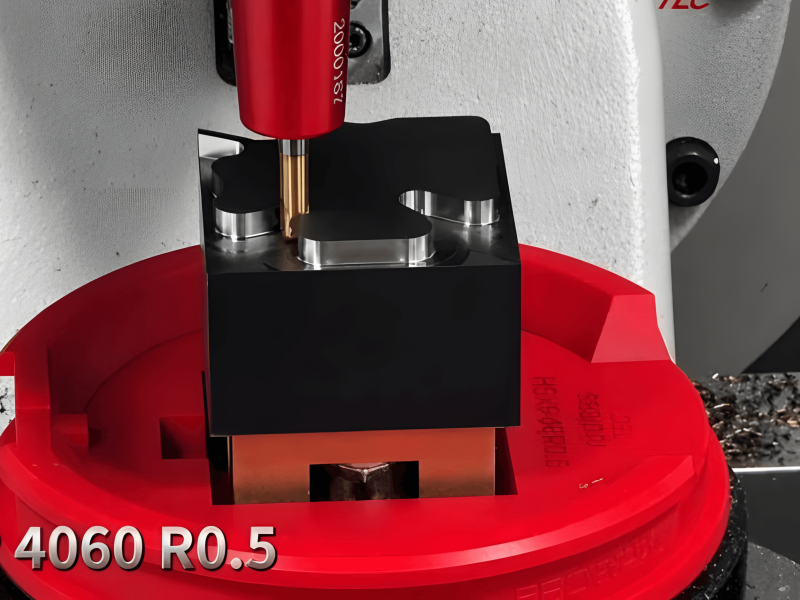
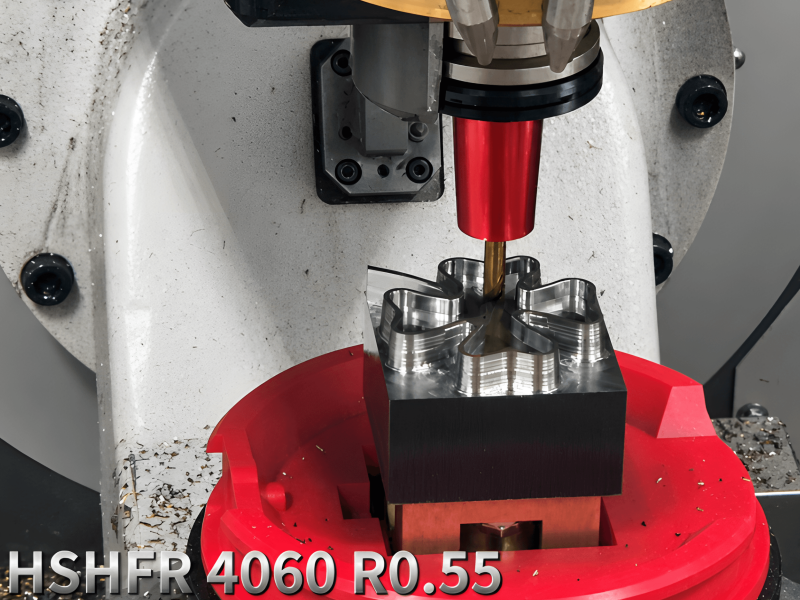
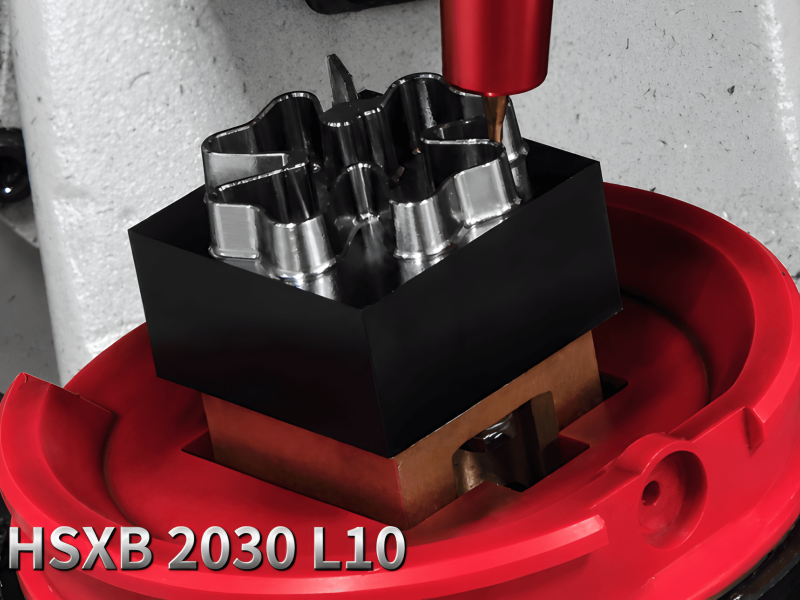
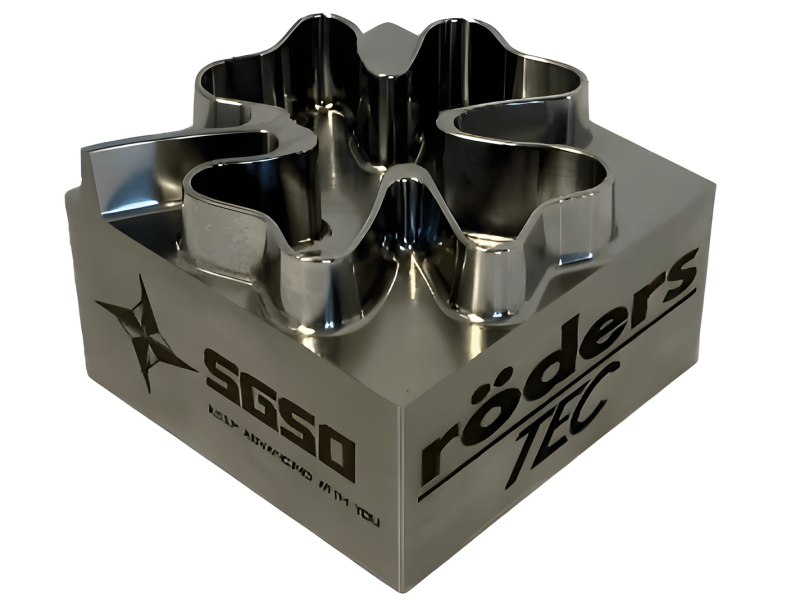
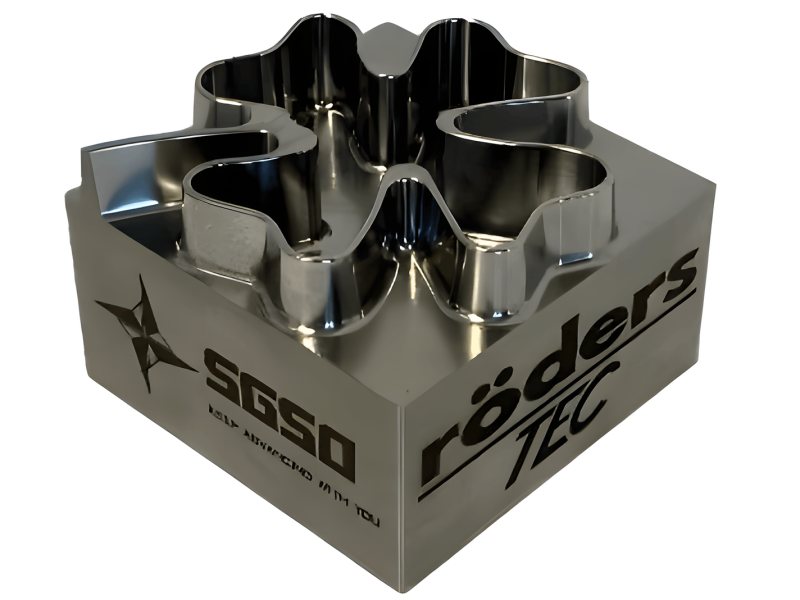
The demonstration workpiece features a typical ultra-complex freeform surface structure. The entire machining validation process was successfully executed within the ultra-precision 5-axis machining workflow at the Röders TEC headquarters in Germany.
The machining challenges centered around three extreme precision-control requirements:
High Dynamic Path Adaptability: The tools must stably follow complex 5-axis toolpath variations, maintaining cutting consistency throughout continuous curvature changes. They must suppress chatter amplification during high-speed cutting to prevent any "wavy patterns" (waviness) in surface transition areas.
Cutting Edge Geometrical Stability: The cutting edge must exhibit excellent chipping resistance, maintaining long-term geometric consistency. This minimizes fluctuations from instantaneous impact loads and prevents instability at path turning points.
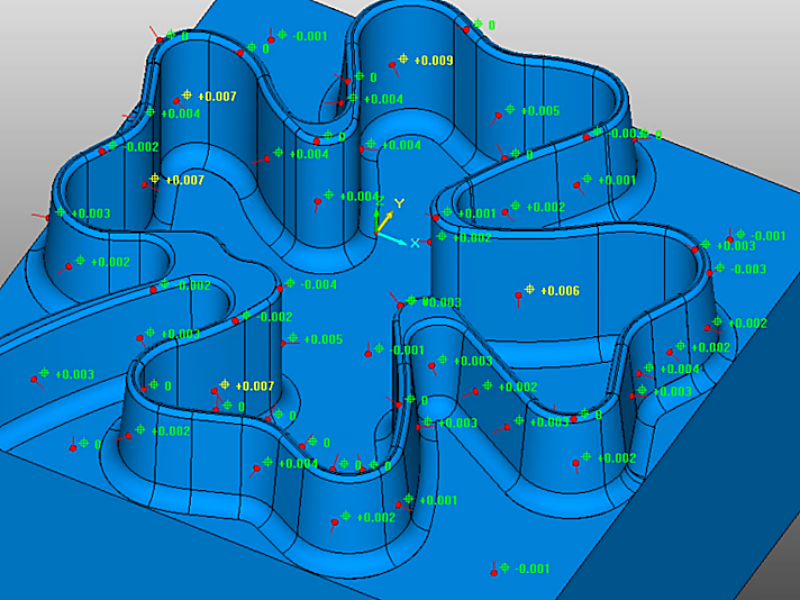
2. Micron-Level Precision Control (Global Error + Local Accumulated Error + Vibration Amplification Effects)
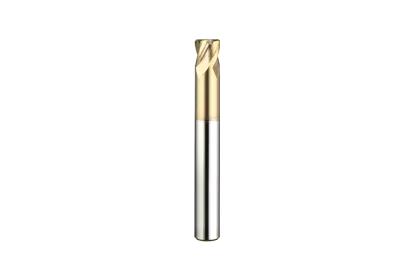
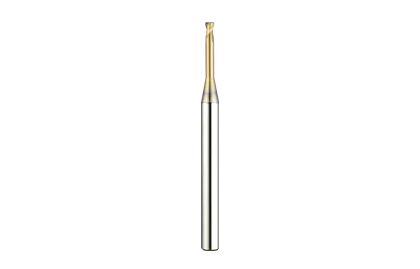
Key Requirements for Cutting Tools:
High Wear Resistance: Wear must be uniform across the tool to eliminate sudden localized errors, ensuring consistent accuracy throughout its entire lifecycle.
Micro-Vibration Damping Capability: The tools must minimize the amplification of high-frequency micro-vibrations on the workpiece surface, preventing micron-level errors from propagating.
Thermal Stability in Cutting: Performance must not drift due to temperature spikes during high-speed machining. The tools must maintain a stable cutting force with a smooth, predictable tool-life curve (avoiding sudden failure after initial sharpness) to ensure batch machining consistency.
Thermal Shock Resistance: The tools must deliver continuous, failure-free performance and stable output over long machining cycles.
Core Challenge: The fundamental challenge was not merely "whether it could be machined," but rather the ability to deliver consistent, deterministic precision across the entire freeform surface.
PART 03. Final Presentation
The finalized demonstration workpiece showcases:
One-shot machining setup for ultra-complex freeform surfaces.
Highly consistent, mirror-like surface quality across the entire part.
Stable control of micron-level errors.
Zero structural machining defects.
This joint validation project with Röders TEC goes beyond standard technical cooperation; it serves as a crucial, real-world validation of Chinese CNC cutting tool brands successfully benchmarking against international premium brands. In fact, joint validations within such high-end manufacturing ecosystems have already become a continuous, normalized practice at SGSO’s European subsidiary.
The results demonstrate that in high-end CNC machining scenarios, SGSO cutting tools deliver stable and reliable engineering performance, proving they are fully capable of undertaking critical machining tasks within mainstream international high-end tooling application systems.
We use cookies to offer you a better browsing experience, analyze site traffic and personalize content. Part of the tracking is necessary to ensure SEO effectiveness, By using this site, you agree to our use of cookies. Visit our cookie policy to learn more.