EN

- By Type
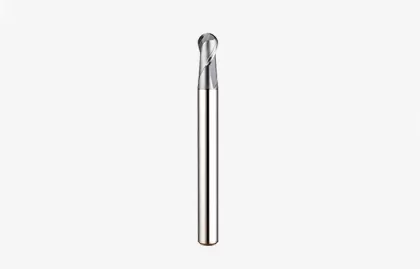
- HSXB2 2-Flute Ball End Mill
- SCBN-B2 2-Flute CBN Deep Ball Nose End Mill
- HSXBC4 4-Fluted High-hardness Ball End Mill
- HSXB2L 2-Flute Long Neck Ball End Mill
- HGXB2 2-Flute Ball End Mill
- HGXB4 4-Flute Ball End Mill
- HGXB2L 2-Flute Long Neck Ball End Mill
- HGXPB2 2-Flute Taper Neck Ball End Mill
- HSXR2L 2-Flute Long Neck Corner Radius End Mill
- HSXR4L 4-Flute Long Neck Corner Radius End Mill
- HSXRP4 4-Flute Short Corner Radius End Mill
- HSXRT4 4-Flute Power Corner Radius End Mill
- HSXEF4-CR 4-Flute Power Corner Radius End Mill
- HSXHE6-CR 6-Flute Hard Miling Corner Radius End Mill
- HSXR4 4-Flute Corner Radius End Mill
- HGHFE4-3D-CR 4-Flute HPC Corner Radius 3D End Mill
- HGHFE4-5D-CR 4-Flute HPC Corner Radius 5D End Mill
- HGXRP 4-Flute Short Corner Radius End Mill
- HGXR2 2-Flute General Purpose Radius End Mill
- HGXR4 4-Flute General Purpose Radius End Mill
- HSXE2L 2-Flute Long Neck End Mill
- HSXE4L 4-Flute Long Neck End Mill
- HSXEF4 4-Flute Power End Mill
- HSXHE 4/6-Flute Hard Milling End Mill
- HSXEG6 6-Flute Hard Milling End Mill
- HGHFE4-3D 4-Flute HPC 3D End Mill
- HGHFE4-3D-W 4-Flute HPC 3D End Mill Weldon Shank
- HGHFE4-5D 4-Flute HPC 5D End Mill
- HGHFE5-3.5D 5-Flute HPC 3.5D End Mill Weldon Shank
- HGXEF4 4-Flute Power End Mill
- HGXE2 2-Flute General Purpose End Mill
- HGXE4 4-Flute General Purpose End Mill
What are you looking for?